

by ADRIANO AMARI - Kiai and Aiki are two highly debated concepts in the world of Budō. Often attempts at explaining them range from science fiction inferences to true simplifications
by ADRIANO AMARI - Kiai and Aiki are two highly debated concepts in the world of Budō. Often attempts at explaining them range from science fiction inferences to true simplifications

by SIMONE CHIERCHINI - Suck It Up or Go Home is an amazing book on Aikido and the meaning of endurance. Here's our great chat with the author, Simon Gray, about the famous/infamous Senshusei course held by the Yoshinkan Aikido Hombu in Tokyo
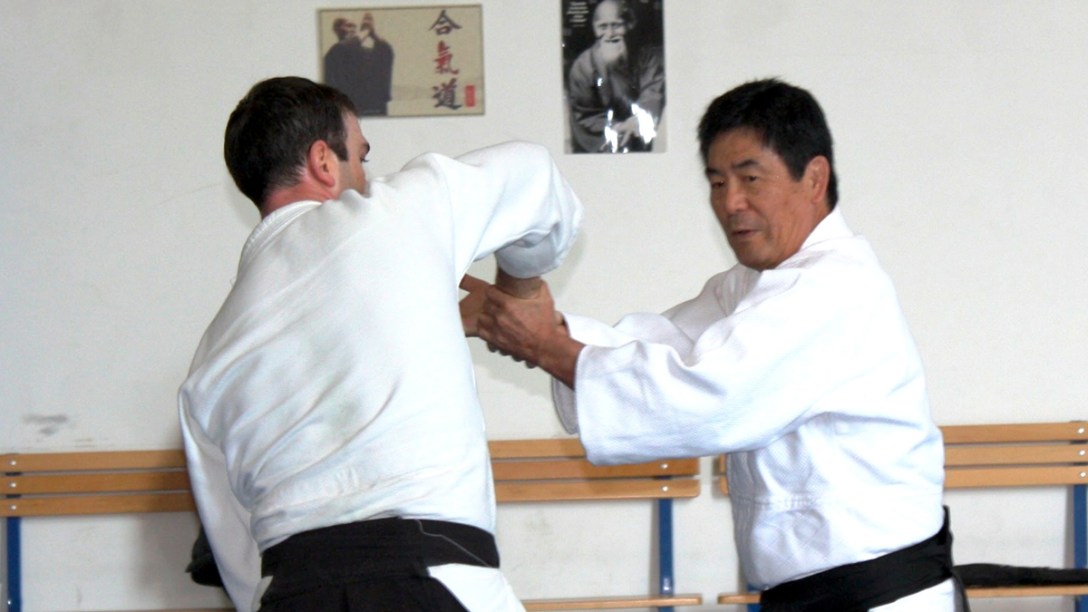
by SIMONE CHIERCHINI - Motokage Kawamukai Sensei, 6th dan Aikikai, is considered by many to be the father of Italian Aikido. This interview reveals new aspects of the beginning of Aikido in Italy, addresses thorny issues such as the fragmentation of Italian Aikido and its causes, but also extra-tatami topics, such as Italian economy, the drama of the Japanese tsunami and the nuclear dilemma
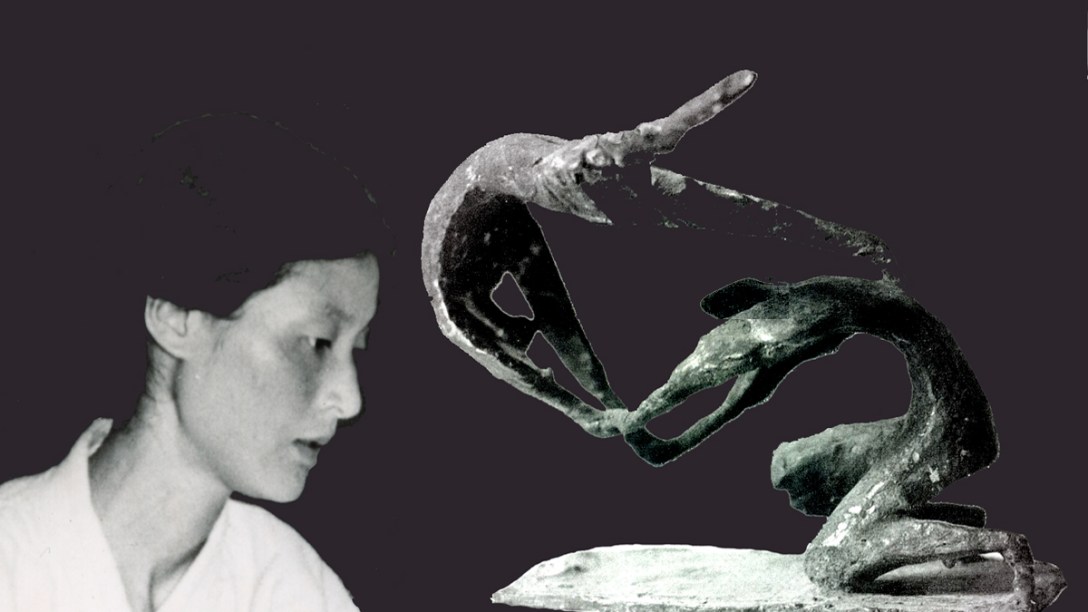
by SIMONE CHIERCHINI - "One day, when it will be possible to trace a history of Aikido in Italy, a chapter will undoubtedly be dedicated to Haru Onoda, a pioneer of Aikido in our country, since the days when the existence of this art was only known to a few lovers of martial arts and Japanese things" [1]. With these prophetic words, Giovanni Granone, a column of Italian Aikido for over three decades, in 1973 described the importance of the role played by the young Onoda in Italy in her ten years of stay and work in our country
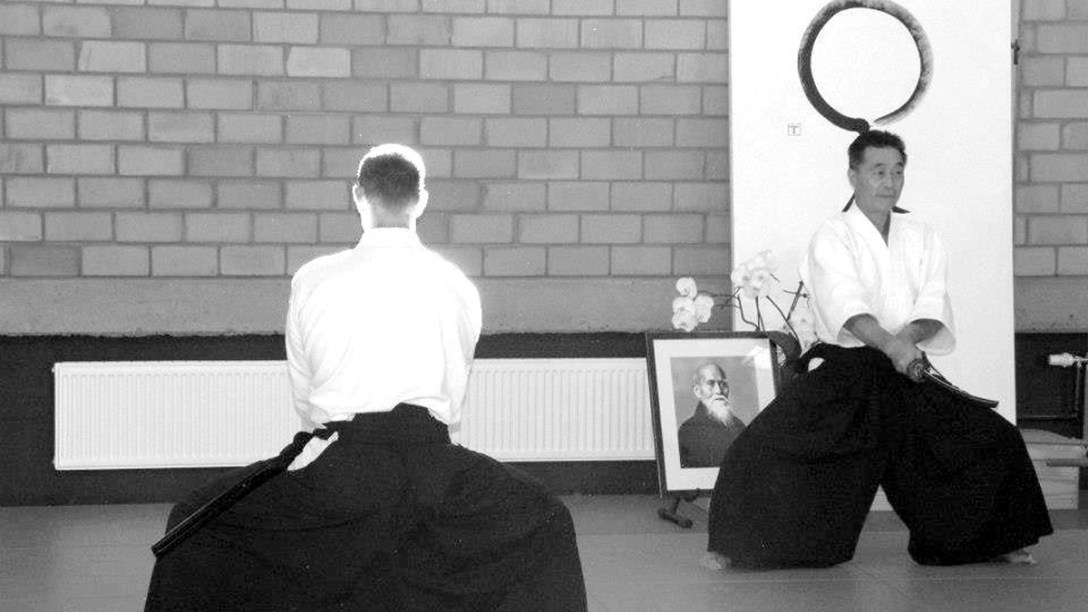
by SIMONE CHIERCHINI - Ichiro Shishiya is one of the world's leading exponents of that Aikido system that refers to one of the Founder's most noticeable direct students, the late Shoji Nishio. Here are the results of our cyber chat
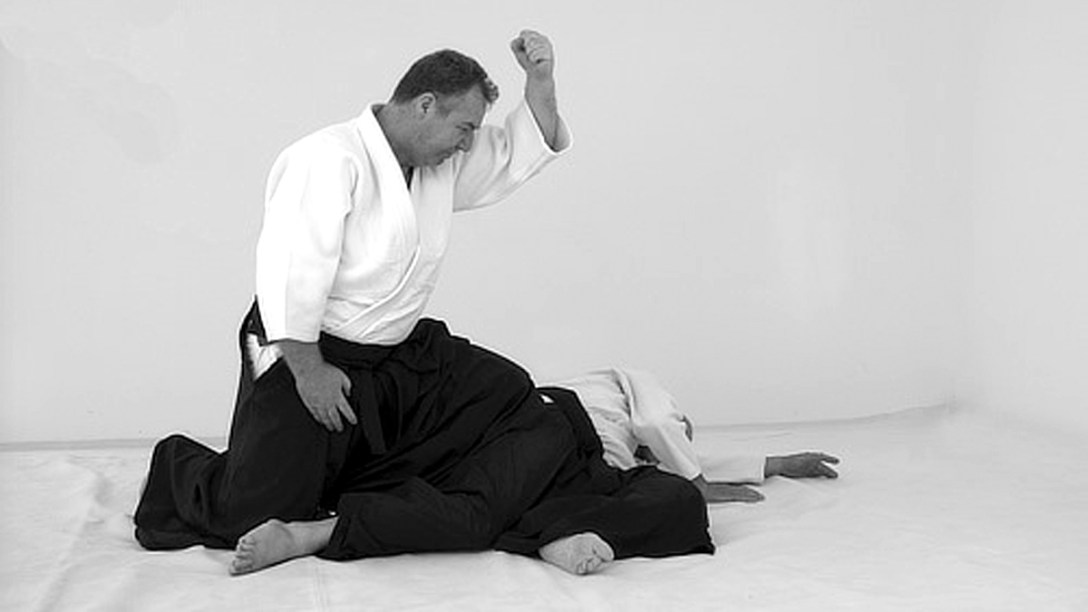
by SIMONE CHIERCHINI - Antonino Certa spent 55 years of his life training and teaching some of the main Japanese martial arts. He was part of the pioneers' era of Aikido in Italy and practised Aikido for over 30 years, until in 1991 his pursuit of martiality led him to Abashiri and to the discovery of the complex and fascinating world of Daito-Ryu Aikijujutsu. Today Certa Shihan is a reference figure for Daito in Italy and the world, having taught in 11 countries and shared practice with hundreds of fellow tatami mates. His uncommon position as an expert in both Aikido and Daito-Ryu makes his experience particularly interesting
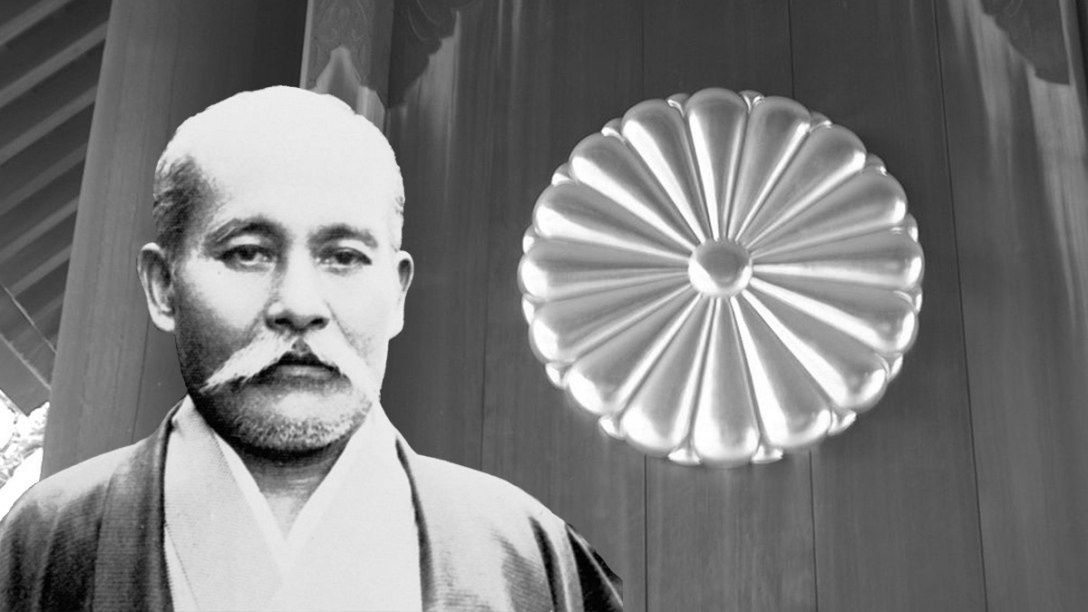
by SIMONE CHIERCHINI - In 1941 Morihei Ueshiba presented a special Enbu for the Imperial family at the famous Saineikan, the Imperial Guard Dojo, situated within the Kōkyo, Tokyo's Imperial palace grounds. This is one of the highlights in the history of prewar Aikido
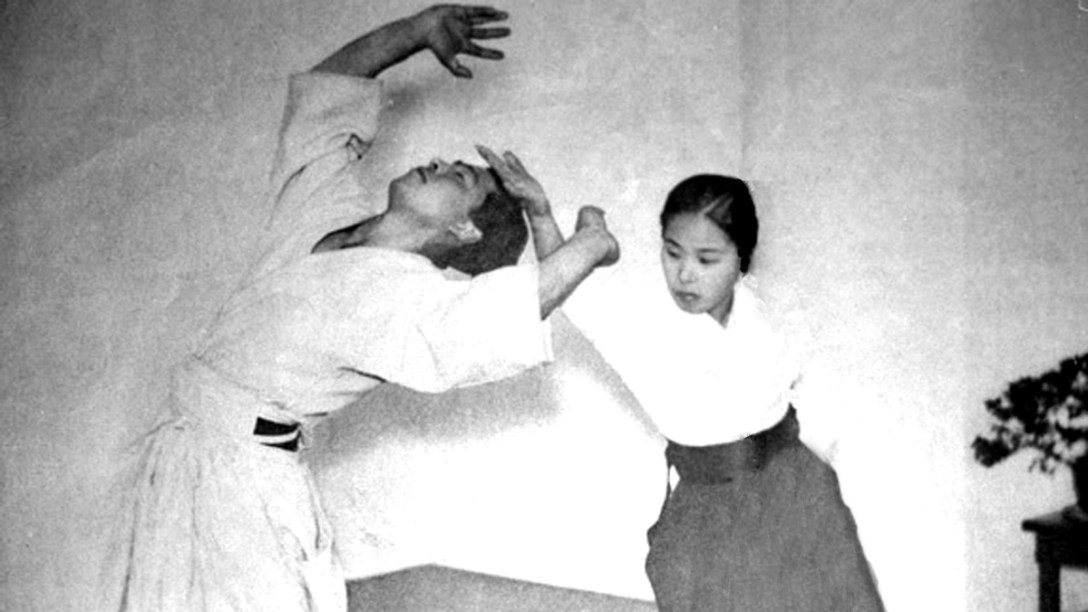
by SIMONE CHIERCHINI - In Ueshiba's Kobukan dojo gender didn't matter much once you bowed onto the tatami. Here's the story of Takako Kunigoshi, the female prewar Aikido pioneer that is behind Morihei Ueshiba's first-ever book "Aikijujutsu Renshu"
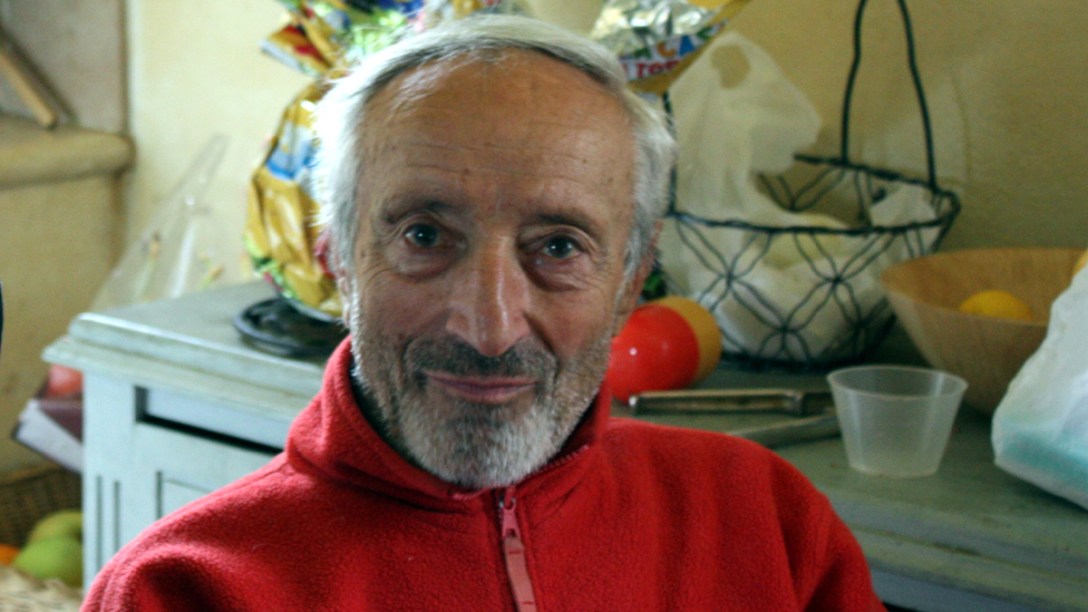
by SIMONE CHIERCHINI - Danilo Chierchini is the great old man of martial arts in Italy. A Judo pioneer in Italy in the 1950s and a national team champion in 1954; the founder of the first permanent Aikido dojo in Italy and the signatory of the letter to the Aikikai Hombu Dojo that brought Hiroshi Tada to Italy in the 1960s; the first Aikikai Aikido shodan in Italy (together with 18 other pioneers) in 1969; the director of Italian Aikikai Central Dojo in Rome from 1970 to 1993; a founding member and then President of the Italian Aikikai for 12 years; and 5th Dan Aikikai since 1979, he is a pillar of Budo in our country, even if he has been retired for years and has not been heard from for a while. I tracked him down in his Tuscan retreat, and with the help of some good Vino Nobile di Montepulciano I loosened his tongue. Do not expect, however, the classic interview on Aikido
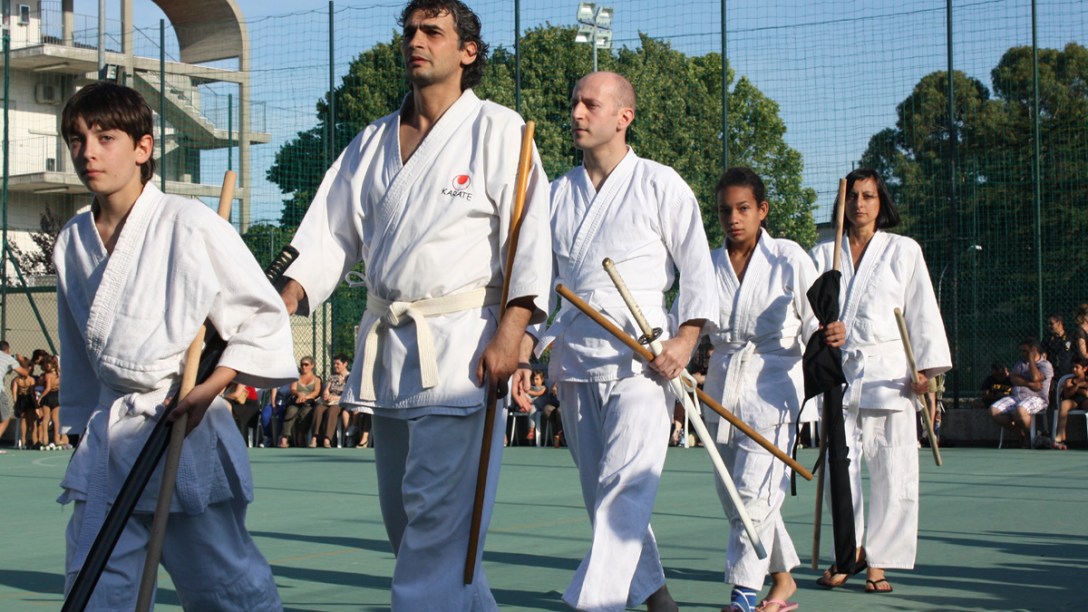
by SIMONE CHIERCHINI - Often, too often, we hear calls to practice Aikido at all times, 168 hours a week, in the morning and in the evening, at night, on Christmas day, on Workers Day, during your wedding and honeymoon, when pregnant, with broken bones, on the evening of your partner's birthday... Beyond the obvious and necessary bi-three-weekly commitment, are we really sure that an average developed human being does not also need other and different sources of inspiration for his/her own psychophysical and socio-cultural well-being?
 Aikido Italia Network